Tea Infuser Mug - Replacement Parts
Hassle free replacements
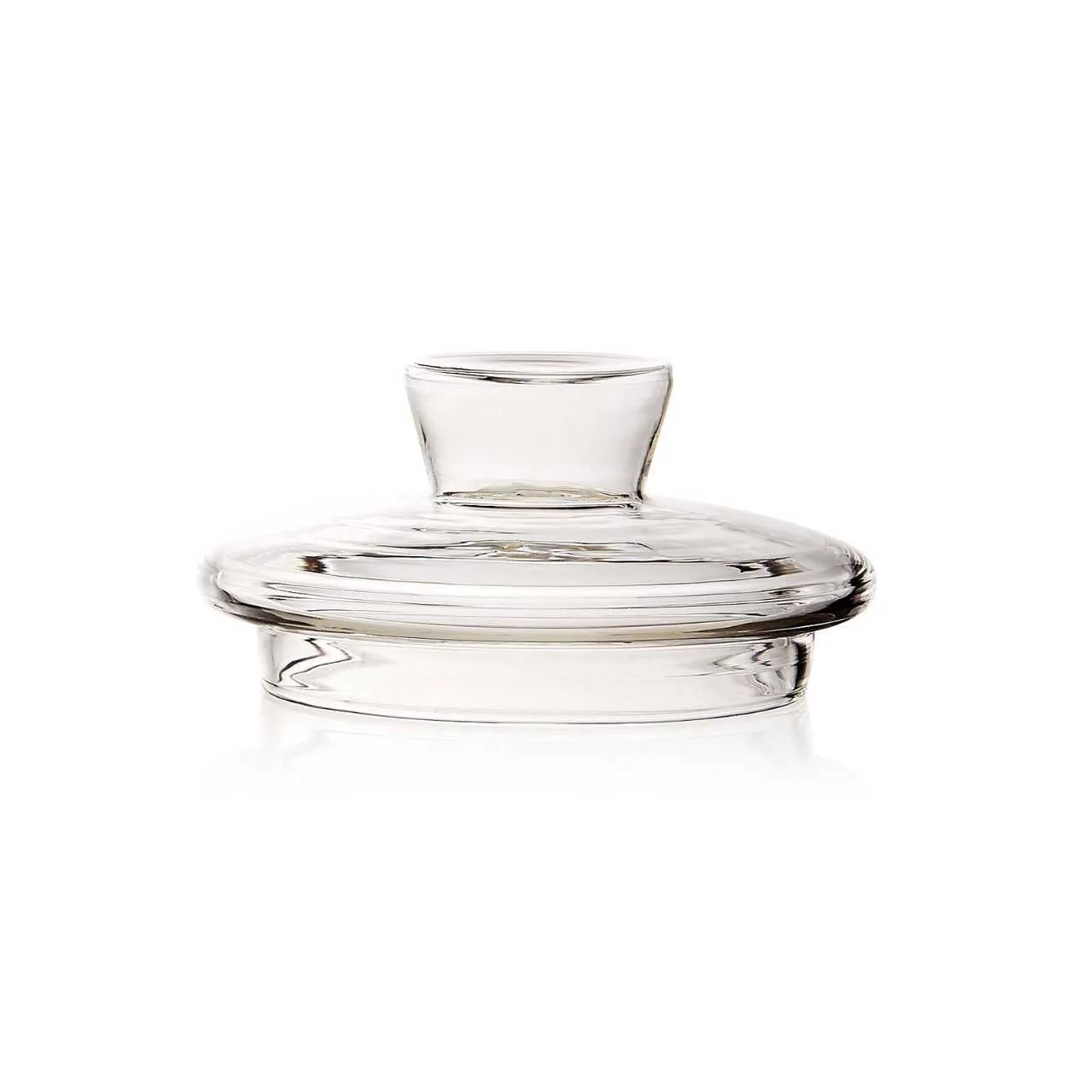
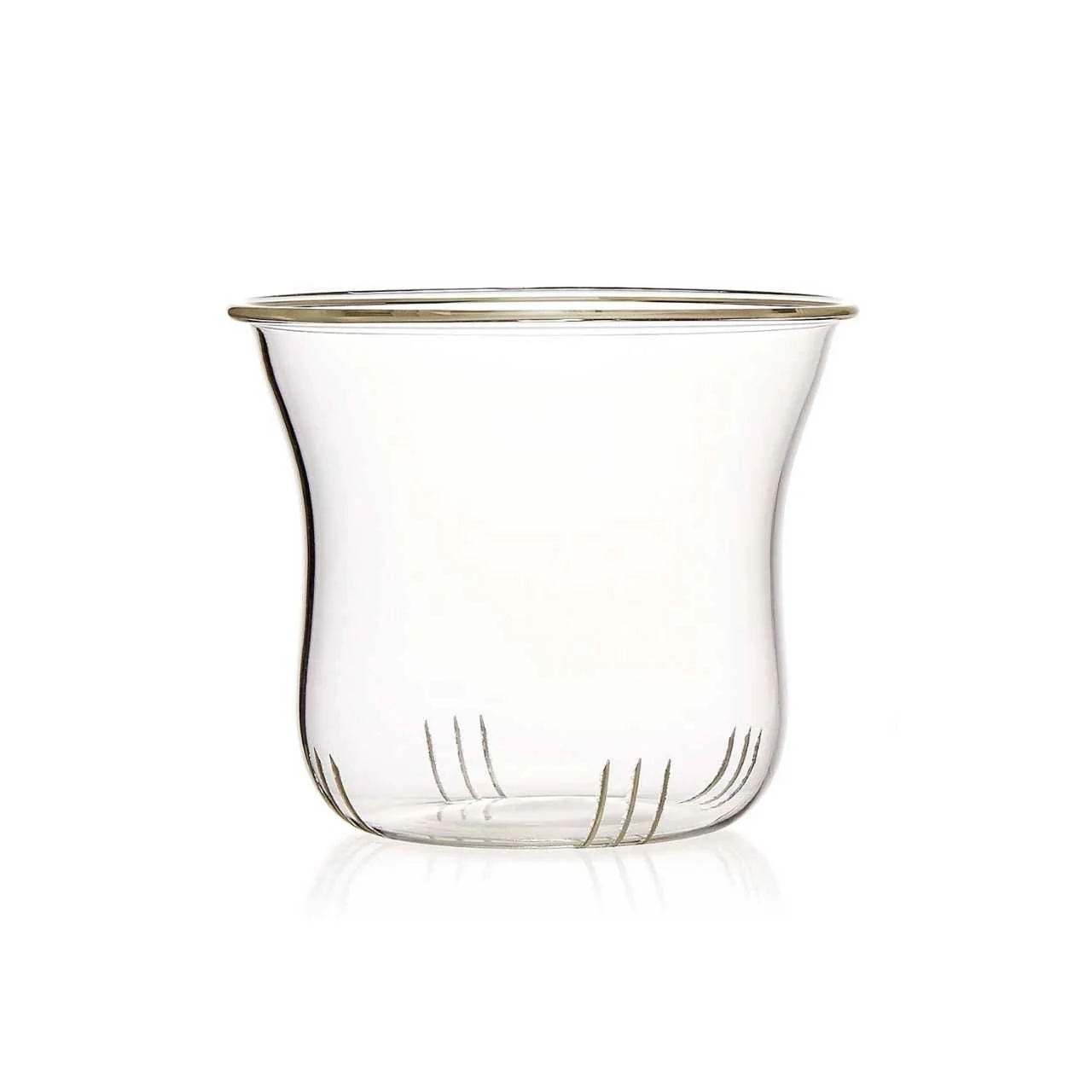
Borosilicate glass is strong and heat resistant, but accidents happen. If you’ve broken the lid or infuser of your favourite Infuser Mug for Loose Leaf Tea, don’t panic: we have you covered with these made-to-fit replacements.
Please note that the replacement lid and infuser are only suitable for The Tea Makers of London’s Infuser Mug for Loose Leaf Tea (300ml). We do not recommend the infuser or lid for any other branded products.
Materials
Borosilicate glass.
Looking to match up these items with their owner?
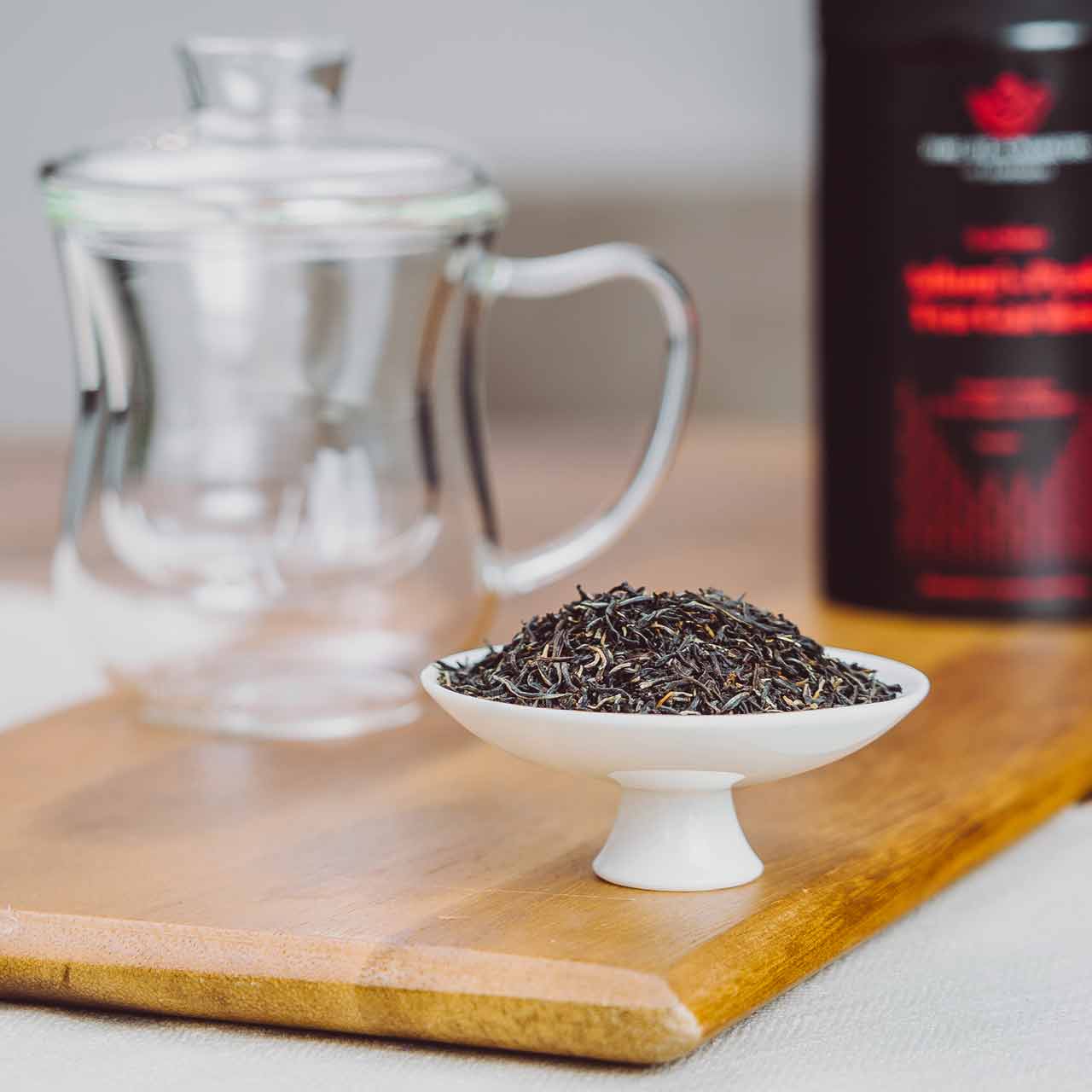
Check out our 300ml Infuser Mug for Loose Leaf Tea – made from hard-wearing borosilicate glass and an elegant way to brew up all your favourite luxury teas for one.
What is borosilicate glass?
Borosilicate glass is made mainly of silica (70-80%) and boric oxide (7-13%), with smaller amounts of alkalis (sodium and potassium oxides) and aluminium oxide. Used in cookware and chemistry labs, it’s renowned for its resistance to thermal shock.
Original: $5.25
-70%$5.25
$1.57Product Information
Product Information
Shipping & Returns
Shipping & Returns
Description
Hassle free replacements
Borosilicate glass is strong and heat resistant, but accidents happen. If you’ve broken the lid or infuser of your favourite Infuser Mug for Loose Leaf Tea, don’t panic: we have you covered with these made-to-fit replacements.
Please note that the replacement lid and infuser are only suitable for The Tea Makers of London’s Infuser Mug for Loose Leaf Tea (300ml). We do not recommend the infuser or lid for any other branded products.
Materials
Borosilicate glass.
Looking to match up these items with their owner?
Check out our 300ml Infuser Mug for Loose Leaf Tea – made from hard-wearing borosilicate glass and an elegant way to brew up all your favourite luxury teas for one.
What is borosilicate glass?
Borosilicate glass is made mainly of silica (70-80%) and boric oxide (7-13%), with smaller amounts of alkalis (sodium and potassium oxides) and aluminium oxide. Used in cookware and chemistry labs, it’s renowned for its resistance to thermal shock.